
Gripen E matches F-35 sensor fusion technology
প্রকাশ: রবিবার । নভেম্বর ৩০, ২০২৫
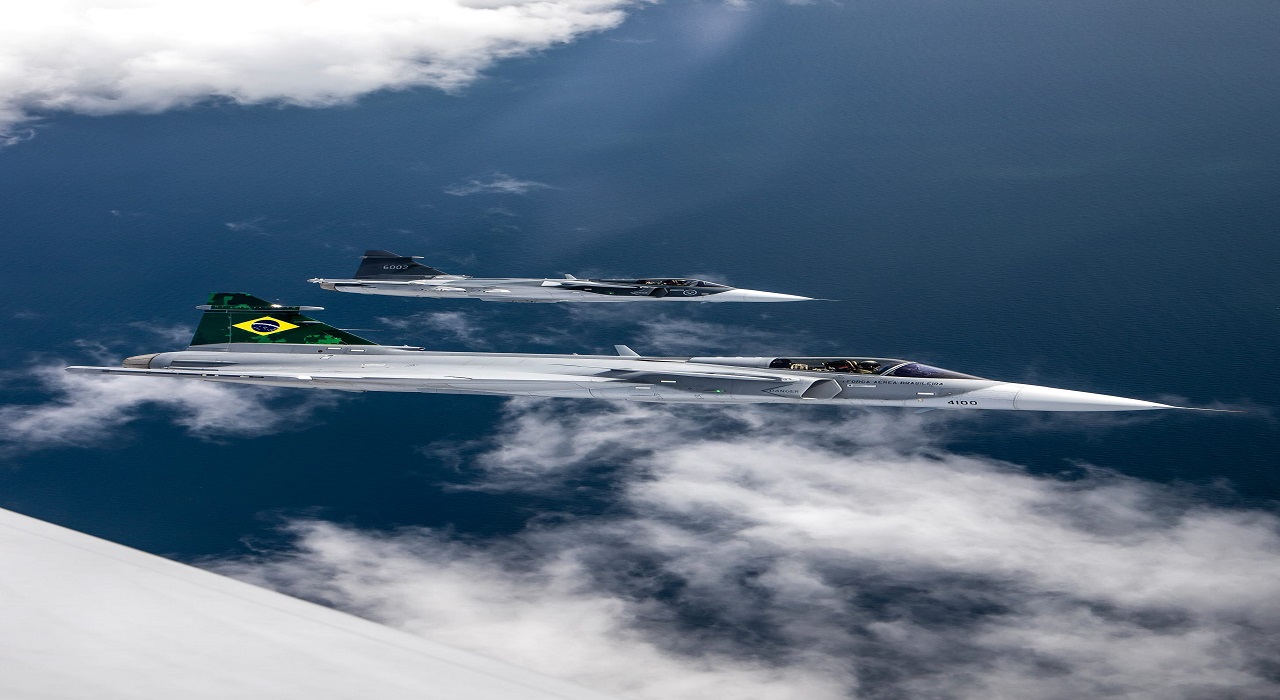
Sweden's Saab Gripen E fighter jet employs
sensor fusion technology comparable to America's F-35, according to operational
advisor Jussi Halmetoja, challenging perceptions about the lightweight
aircraft's capabilities.
Halmetoja, a former frontline pilot with 2,300
flight hours, revealed that Gripen E features autonomous sensor management
similar to F-35's system. Aircraft automatically steers and tunes sensor
parameters to optimise performance, eliminating complex manual routines for
pilots.
Saab has developed sensor fusion technology for
roughly 50 years across multiple platforms. Company pioneered integrated
high-rate datalink systems in Sweden during the 1980s with Draken-era aircraft,
establishing early command and control networks.
Gripen E now uses task-based high-level command
structure with artificial intelligence and machine learning. System predicts
mission outcomes and provides decision support for pilots, managing weapon
launches while maintaining survivability against enemies.
"Ultimate point of Sensor Fusion is to maintain constant low workload for pilots so they can entirely focus on fight and mission," Halmetoja explained. Saab calls this approach 'human-machine collaboration'.
Two fighters competed in Netherlands,
Switzerland, Nordic countries, Canada and Czech Republic for defence contracts.
Gripen E represents stripped-down design philosophy compared to F-35's bulkier
configuration.
Technology fuses data not just from single
aircraft sensors but across entire networks including early warning radars and
multiple platforms. This network-centric approach dates back decades in Swedish
military aviation development.
Source: Hush Kit.